Peter Ablinger:
Voices and Piano
Klavier und CD (seit 1998)
bisher 32 Stücke, woraus eine Auswahl in freier Folge gespielt werden soll
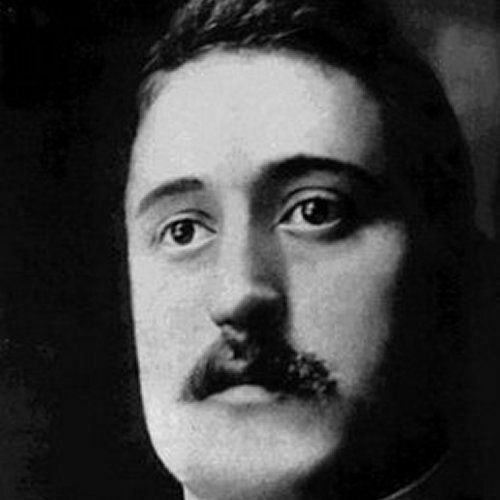
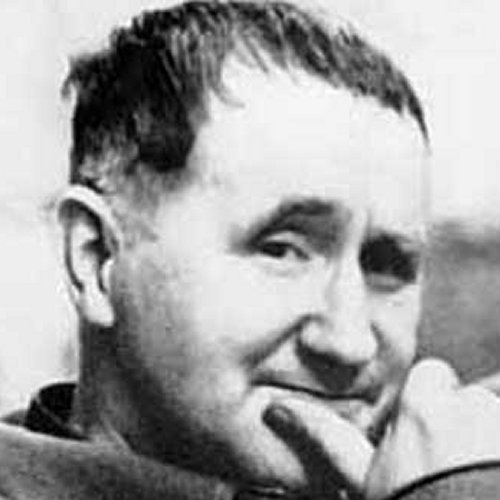
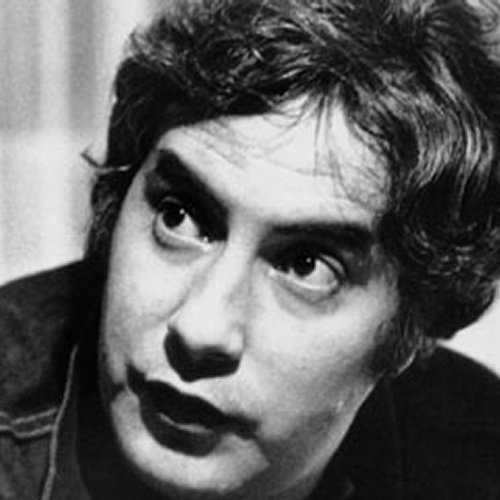
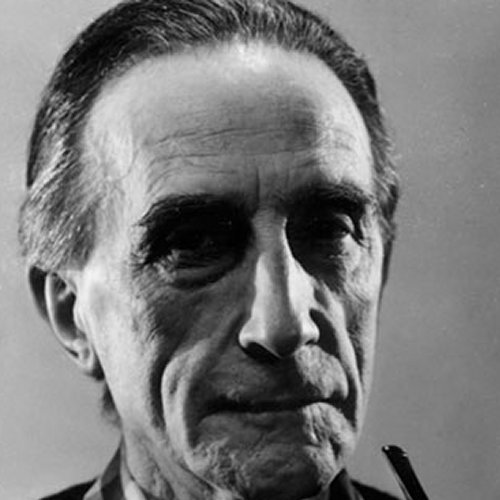
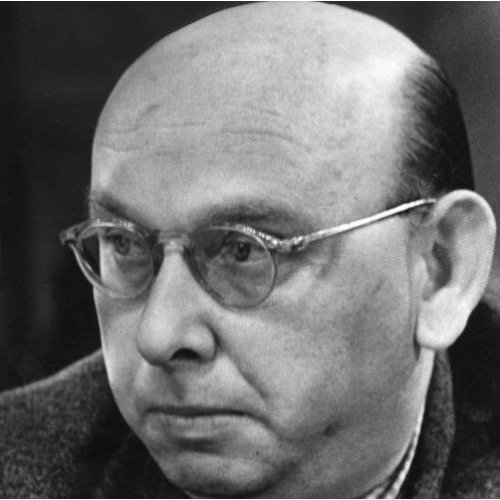
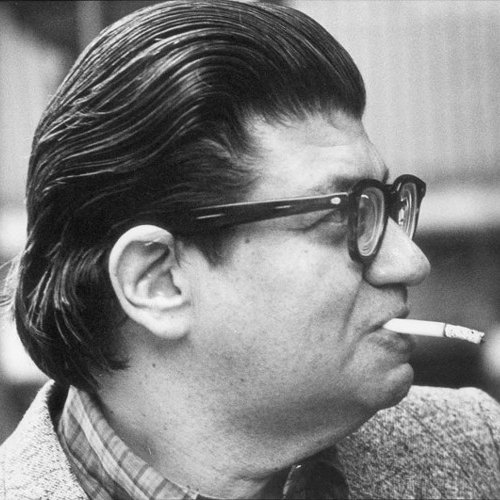
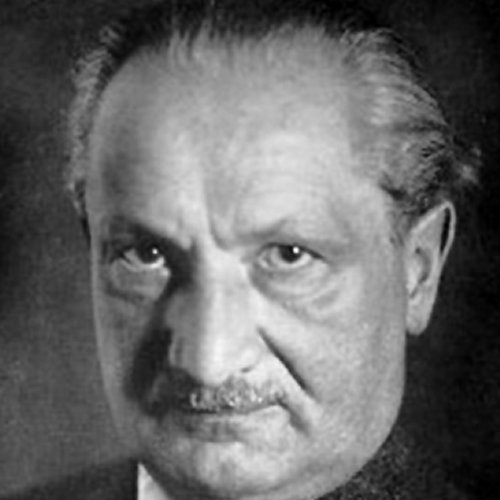
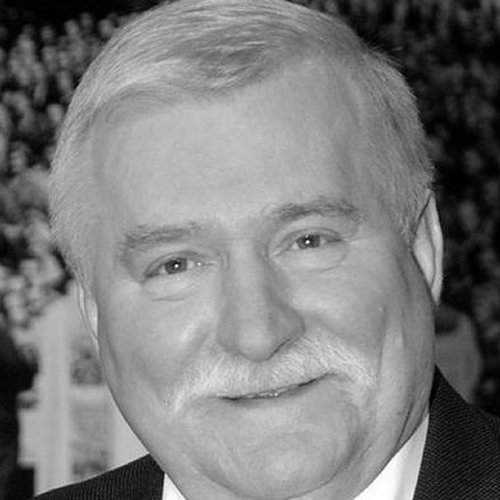
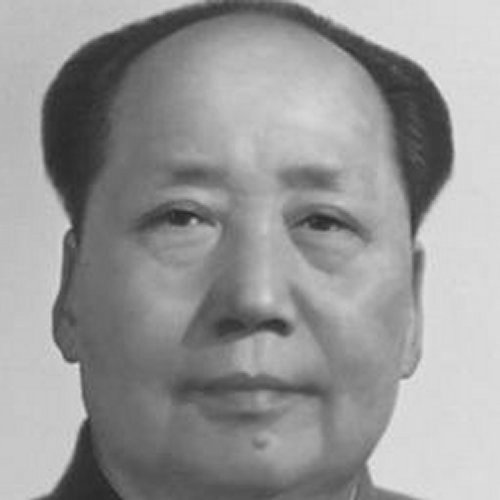
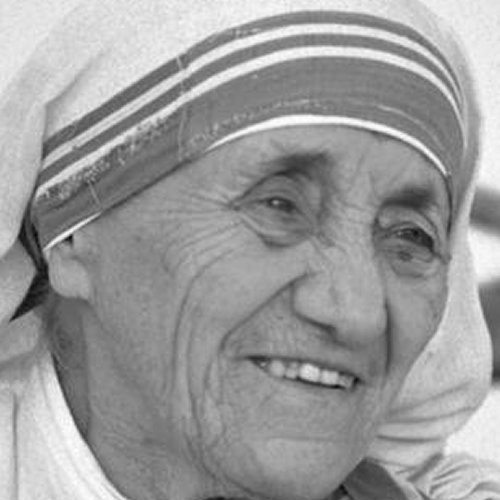
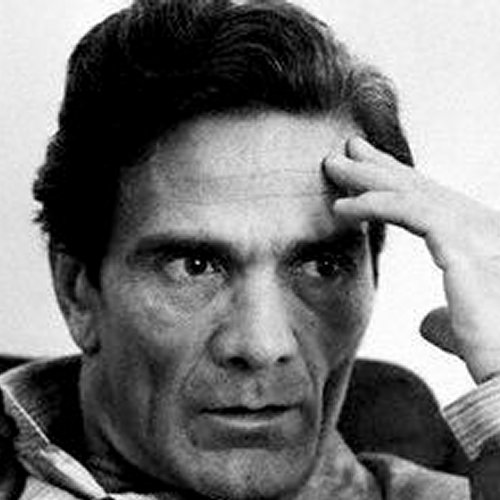
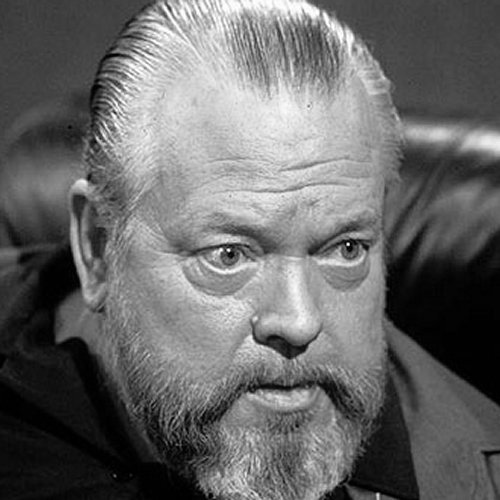
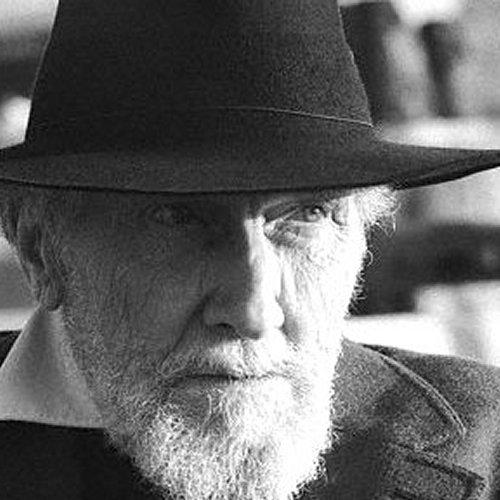
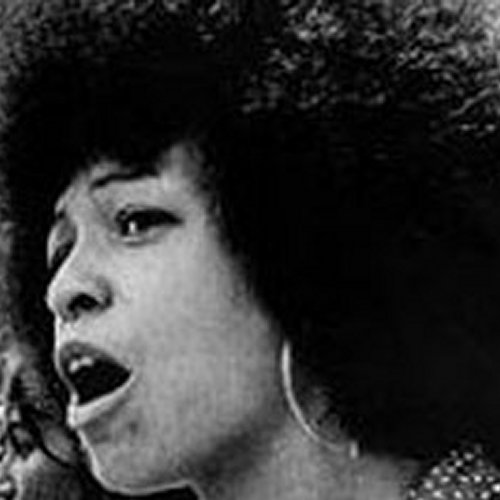
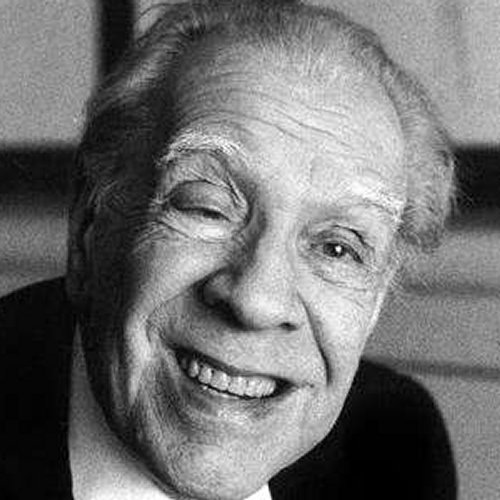
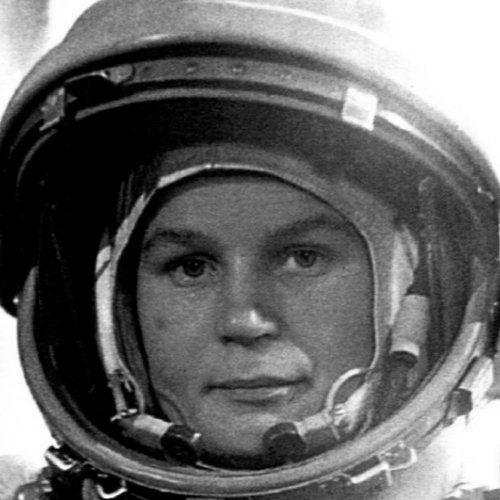
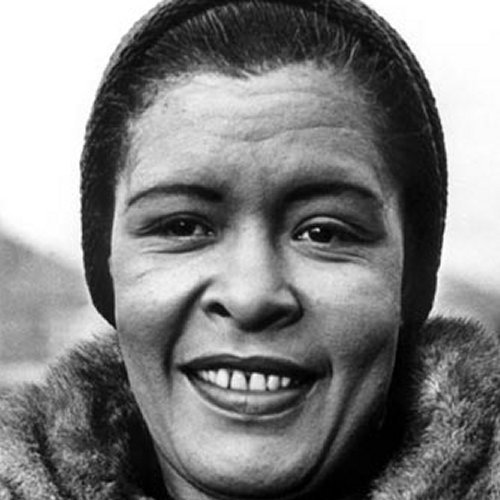
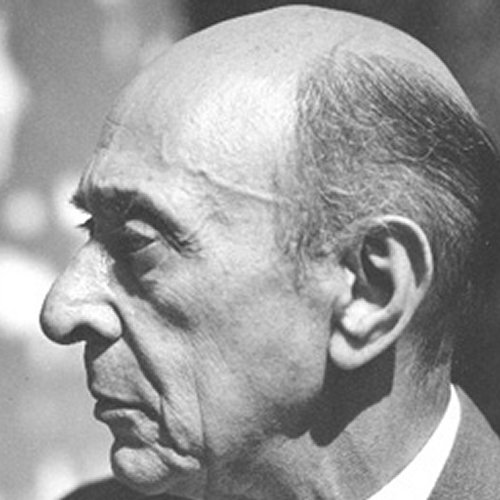
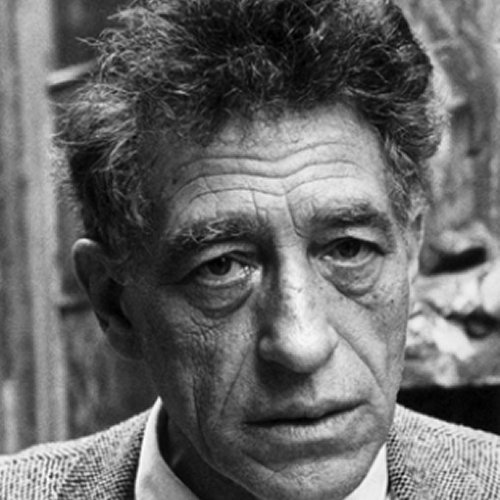
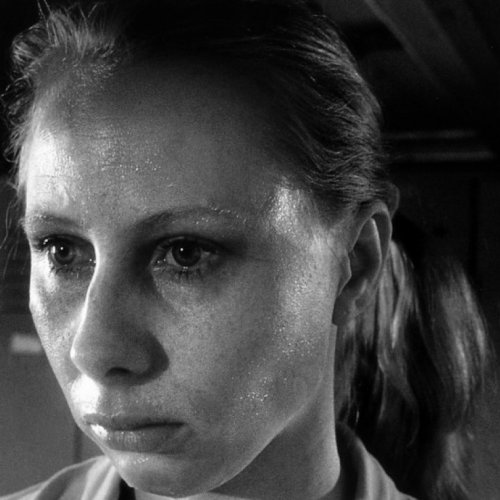
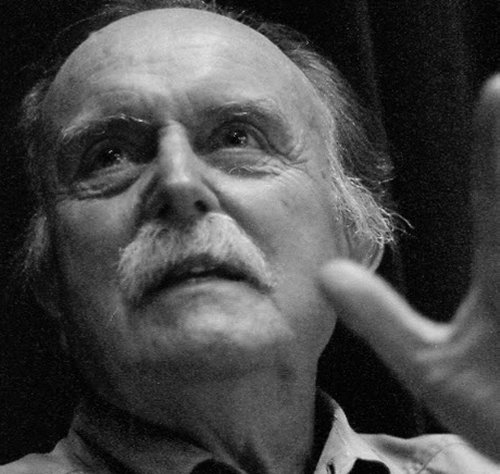
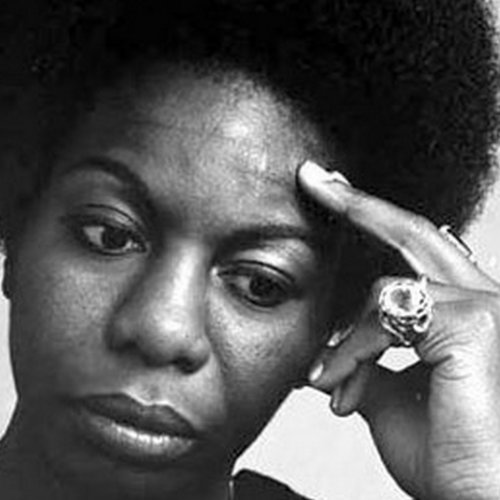
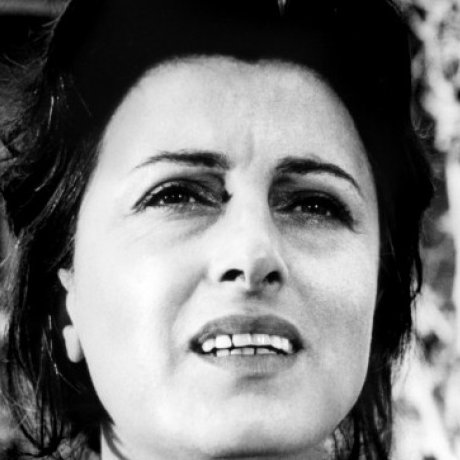
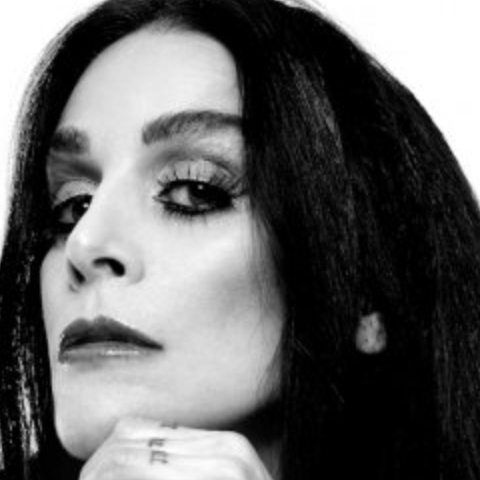
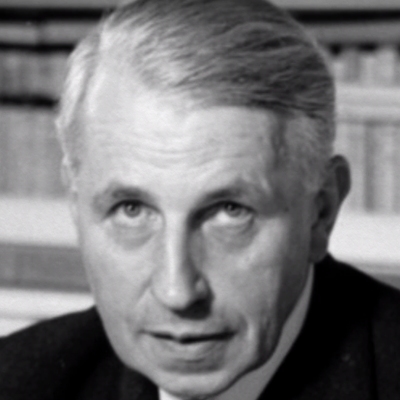
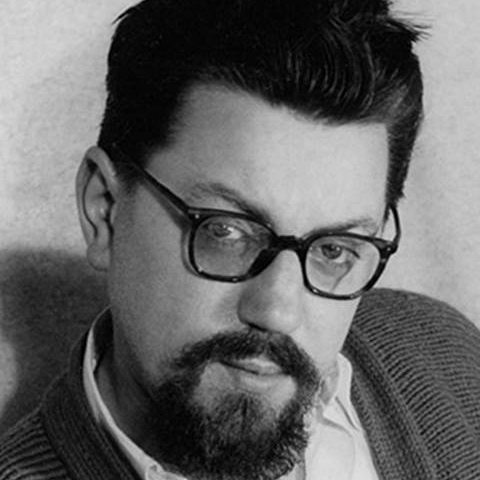
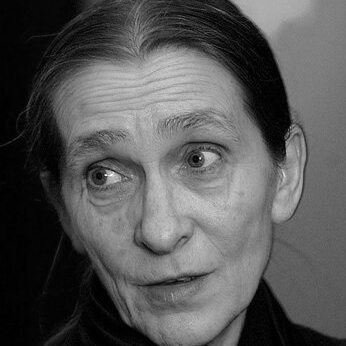
die "Voices" sind: Guillaume Apollinaire, Carmen Baliero, Bonnie Barnett, Jorge Luis Borges, Bertolt Brecht, Rolf Dieter Brinkmann, Angela Davis, Heimito von Doderer, Marcel Duchamp, Hans Eisler, Morton Feldman, Alberto Giacometti, Josef Matthias Hauer, Mila Haugová, Martin Heidegger, Billie Holiday, Mao Tse-tung, Agnes Martin, Humberto Maturana, Agnes Gonxha Bojaxiu (Mother Theresa), Pier Paolo Pasolini, Ezra Pound, Ilya Prigogine, Jean-Paul Sartre, Arnold Schoenberg, Libgart Schwarz, Hanna Schygulla, Gertrude Stein, Cecil Taylor, Valentina Tereshkova, Lech Walesa, Orson Welles;
vorläufige Gesamtdauer: 132'
Dank an Thomas Musil und dem IEM Graz, für die Entwicklung und ständige Verbesserung der Analyse-Software.
a cycle for piano and CD
currently 32 pieces, a selection from which in any order is played
the voices are: Guillaume Apollinaire, Carmen Baliero, Bonnie Barnett, Jorge Luis Borges, Bertolt Brecht, Rolf Dieter Brinkmann, Angela Davis, Heimito von Doderer, Marcel Duchamp, Hans Eisler, Morton Feldman, Alberto Giacometti, Josef Matthias Hauer, Mila Haugová, Martin Heidegger, Billie Holiday, Mao Tse-tung, Agnes Martin, Humberto Maturana, Agnes Gonxha Bojaxiu (Mother Theresa), Pier Paolo Pasolini, Ezra Pound, Ilya Prigogine, Jean-Paul Sartre, Arnold Schoenberg, Libgart Schwarz, Hanna Schygulla, Gertrude Stein, Cecil Taylor, Valentina Tereshkova, Lech Walesa, Orson Welles
present combined duration: 132'
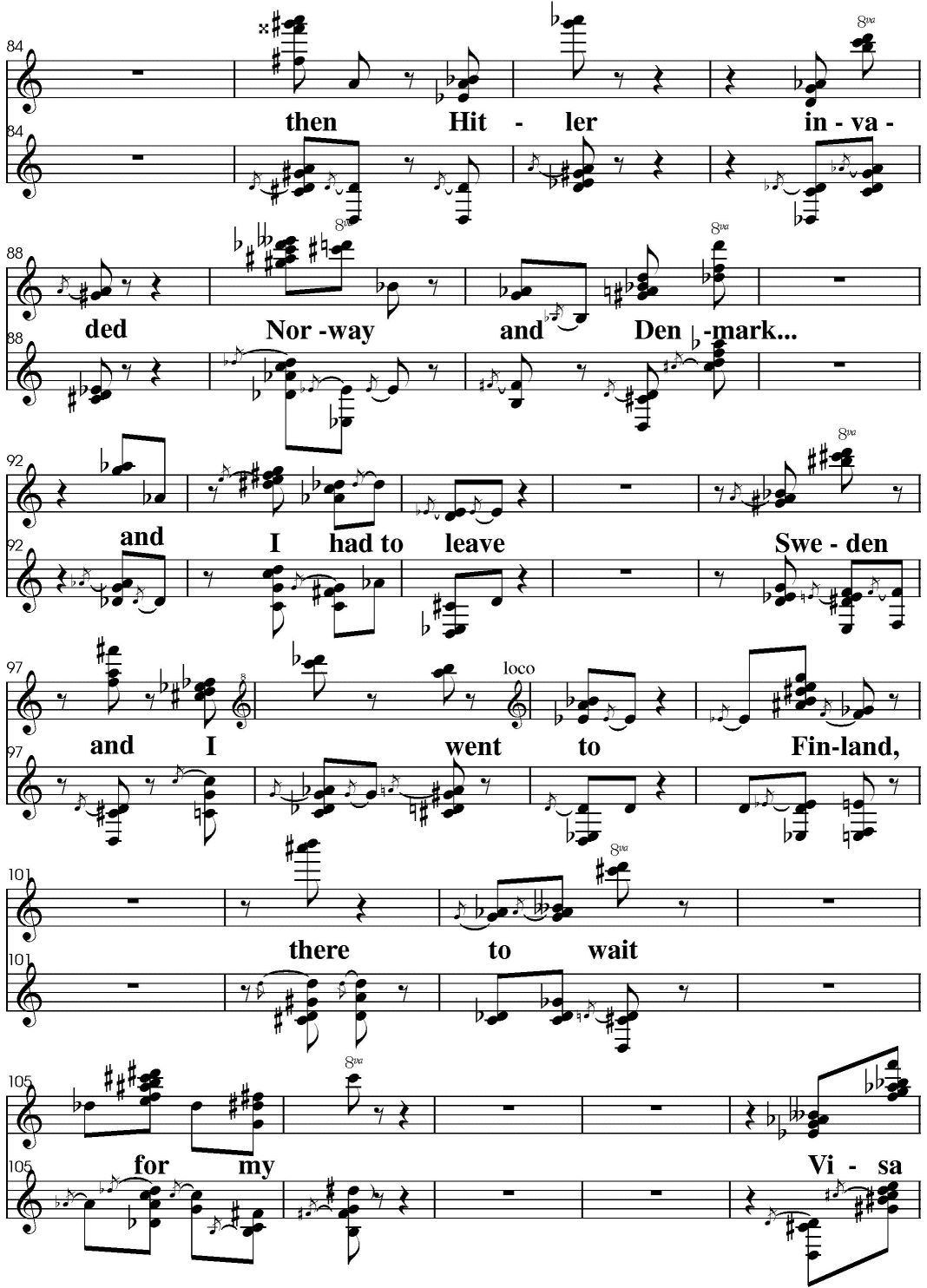
Page 4 from the score for "Bertolt Brecht" with added transcription of Brecht's voice from the performance-CD, - the live-piano part beeing the juncture of a voice accompaniment and the spectral analysis of the recorded voice.
Voices and Piano, written for Nicolas Hodges, is an extensive cycle of pieces, each for a single recorded voice, mostly of a well-known celebrity, and piano. The cycle is still in progress and should eventually include about 80 pieces/voices (arround 4 hours of music). The work is always meant to occur as a selection from the whole. At present I like to write works where the whole should not be presented at once. The whole should remain the whole, and what we hear is just a part of it.
I like to think about Voices and Piano as my song-cycle, though nobody is singing in it: the voices are all spoken statements from speeches, interviews or readings. And the piano is not really accompanying the voices: the relation of the two is more a competition or comparison. Speech and music is compared. We can also say: reality and perception. Reality/speech is continuous, perception/music is a grid which tries to approach the first. Actually the piano part is the temporal and spectral scan of the respective voice, something like a coarse gridded photograph. Actually the piano part is the analysis of the voice.
Music analyses reality.
(Peter Ablinger, edited by Ruth Duckworth)
> english and german program note (dt./engl.)
> Partitur: Mao Tse-tung, score, pdf 231KB
> listen: excerpt from "Bertolt Brecht" (piano: Nicolas Hodges)
> listen: excerpt from "Hanna Schygulla" (piano: Nicolas Hodges)
> listen: "Billy Holiday" (piano: Nicolas Hodges)
> CD 1: the first 19 pieces from the cycle, piano: Nicolas Hodges
> CD 2: Mila Haugová, Billie Holiday, Valentina Tereshkova, piano: Nicolas Hodges
> CD 3: "Weiss ist schön" is a version of "Angela Davis" from Voices and Piano
siehe auch:
Quadraturen
Solostücke
A Letter From Schoenberg